
Understanding Oxygen Supply: A Comprehensive Overview


Introduction to Oxygen Supply
Oxygen plays a crucial role in sustaining life on Earth. It is a fundamental element that supports various biological and industrial processes. Understanding how oxygen is supplied, whether in medical settings or industrial applications, is essential for ensuring efficiency and safety.
The Importance of Oxygen in Medicine
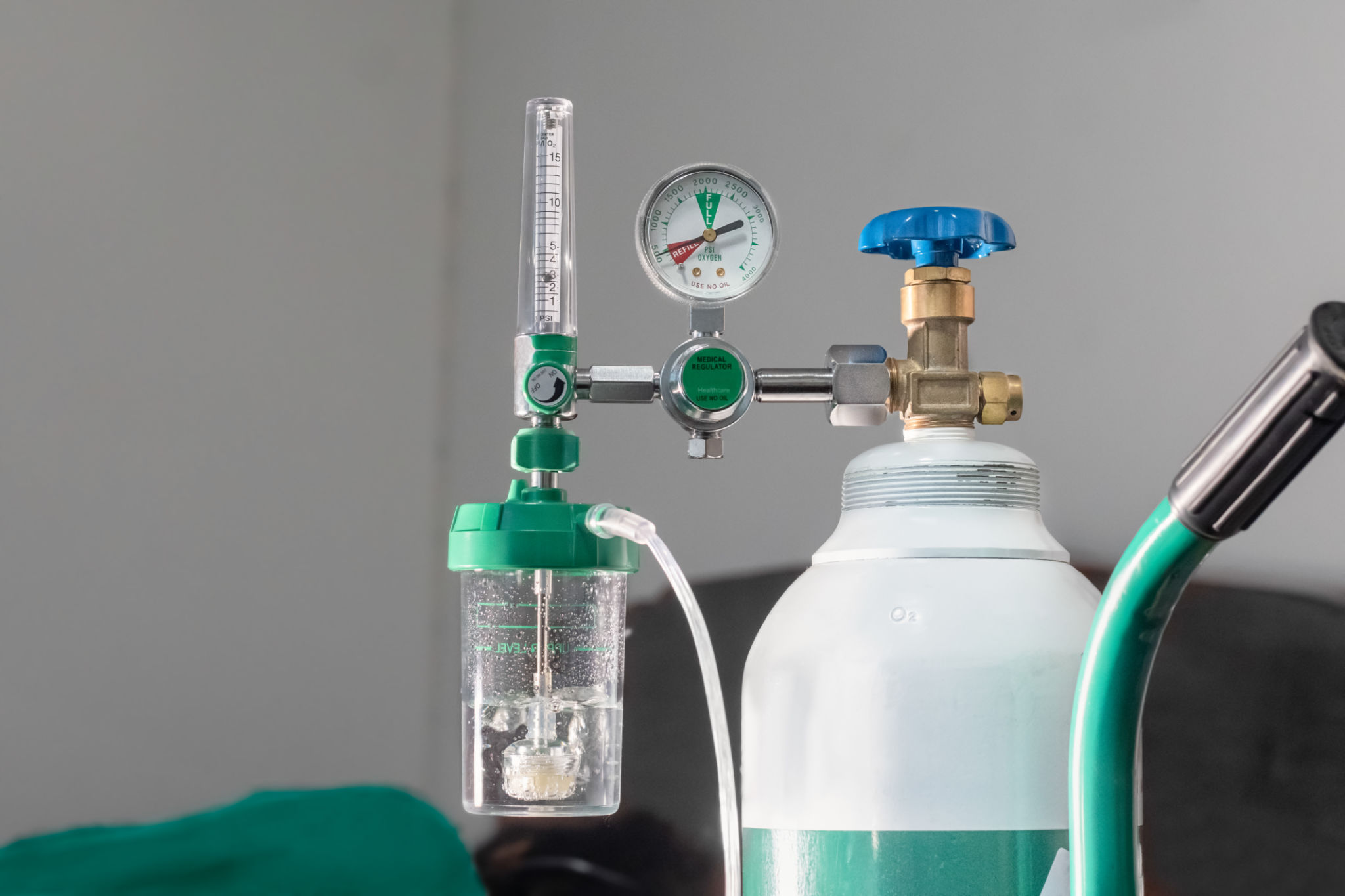
In the medical field, oxygen therapy is vital for patients with respiratory conditions such as chronic obstructive pulmonary disease (COPD) and pneumonia. Oxygen supply systems in hospitals ensure that patients receive the right concentration of oxygen to support their recovery.
Medical oxygen is typically supplied through pipelines or portable cylinders. The choice depends on the hospital's infrastructure and the patient's mobility needs. Advances in technology have also led to the development of portable oxygen concentrators, which offer greater flexibility for patients.
Industrial Applications of Oxygen
Beyond healthcare, oxygen is widely used in industrial processes. It is a key component in metal fabrication, where it supports combustion in welding and cutting operations. The availability of a reliable oxygen supply is critical for maintaining production efficiency and safety standards.

Industries often rely on large-scale oxygen generators or liquid oxygen tanks to meet their needs. These systems are designed to provide a steady and controlled flow of oxygen, minimizing risks associated with handling and storage.
Oxygen Supply Systems
Oxygen supply systems vary significantly based on application and scale. Centralized oxygen supply systems are common in hospitals, where they distribute oxygen through a network of pipes. In contrast, industrial facilities may use decentralized systems tailored to specific processes.
- Centralized systems: Typically found in hospitals.
- Decentralized systems: Common in industrial settings.
- Portable systems: Useful for home healthcare and remote applications.
Challenges in Oxygen Supply
Ensuring a consistent and safe oxygen supply involves several challenges. Transportation and storage are critical, as oxygen is highly reactive and requires careful handling. Additionally, fluctuations in demand can strain supply chains, particularly in healthcare settings during emergencies.

To address these challenges, many facilities implement rigorous safety protocols and invest in robust infrastructure to support their oxygen supply needs. Regular maintenance and staff training are also essential components of a reliable oxygen supply system.
Future Trends in Oxygen Supply
As technology continues to advance, the future of oxygen supply looks promising. Innovations such as more efficient oxygen concentrators and environmentally friendly production methods are on the horizon. These developments aim to enhance reliability while reducing environmental impact.
Furthermore, the integration of digital monitoring systems allows for real-time tracking of oxygen levels, improving response times and ensuring that supply meets demand effectively.
Conclusion
Understanding the complexities of oxygen supply is crucial for both healthcare and industrial sectors. By investing in advanced technologies and adhering to strict safety standards, we can ensure a consistent and reliable oxygen supply, supporting both human health and industrial growth.