
The Ultimate Guide to Industrial Gas Supply: What You Need to Know


Understanding Industrial Gas Supply
Industrial gases play a crucial role in various sectors, from manufacturing to healthcare. They are used in a wide range of applications, including welding, refrigeration, and even in the production of semiconductors. Understanding the supply chain of these gases is essential for businesses that rely on them. This guide will walk you through the key aspects of industrial gas supply.

Types of Industrial Gases
Industrial gases are typically categorized into several types, including oxygen, nitrogen, argon, hydrogen, and carbon dioxide. Each gas has unique properties and uses. For instance, oxygen is widely used in metal fabrication, while nitrogen is essential for creating an inert atmosphere in chemical manufacturing.
It is important to choose the right type of gas for your specific application. Consulting with a supplier can help determine the best options based on your industry needs.
Oxygen
Oxygen is a critical component in various industrial processes. It is used in steelmaking, welding, and cutting, providing necessary oxidation. Its purity levels and storage methods are important factors to consider.

Nitrogen
Nitrogen is often used to prevent oxidation and is a key element in preserving the freshness of food and beverages. It also plays a significant role in electronics manufacturing and chemical processing.
Supply Chain Management
The supply chain for industrial gases involves production, storage, transportation, and delivery. Each step is crucial to ensuring the gas reaches the end user in the required condition. Effective supply chain management minimizes risks and reduces costs.
Production and Storage
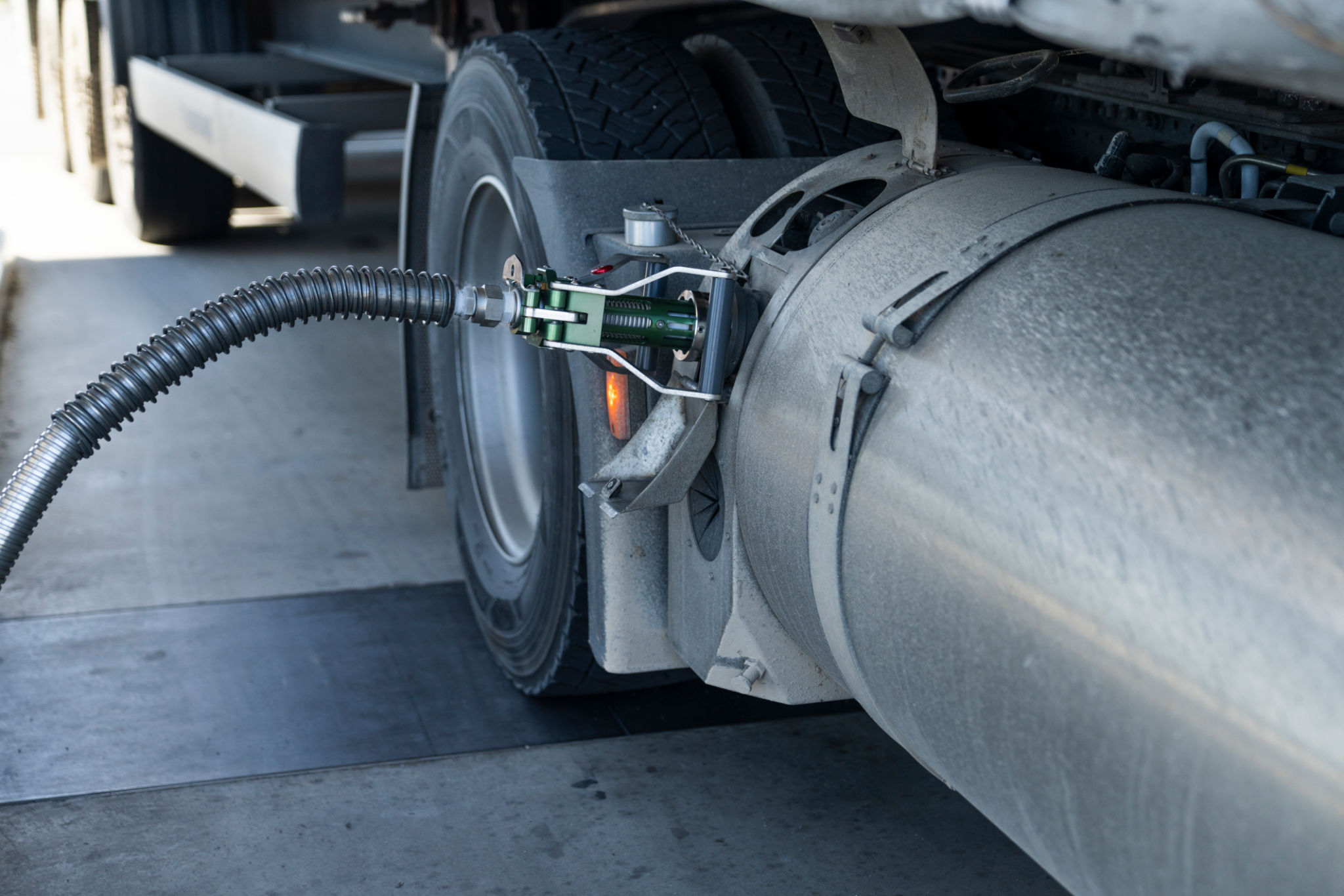
Industrial gas production can be energy-intensive, requiring specialized equipment and facilities. Storage solutions must ensure safety and maintain the integrity of the gases. Facilities often use high-pressure tanks and cryogenic storage techniques.
Transportation
Transporting industrial gases requires adherence to strict safety regulations. Specialized vehicles are used to ensure gases are delivered safely and efficiently. Regular maintenance of these vehicles is crucial to prevent leaks and ensure reliability.
Choosing the Right Supplier
When selecting a supplier for industrial gases, consider factors such as reliability, delivery frequency, and customer service. A reputable supplier should provide comprehensive support, including technical guidance and emergency services.
Establishing a strong relationship with your supplier can enhance your business operations, ensuring you receive high-quality gases when needed. Always evaluate potential suppliers based on their industry reputation and track record.