
Myth-Busting: Common Misconceptions About Acetylene


Understanding Acetylene
Acetylene is a versatile and powerful gas used in various industrial applications, primarily in welding and cutting. Despite its widespread use, there are several misconceptions about acetylene that can lead to confusion and misuse. This post aims to debunk some of these myths and provide clarity on how acetylene should be handled and utilized effectively.
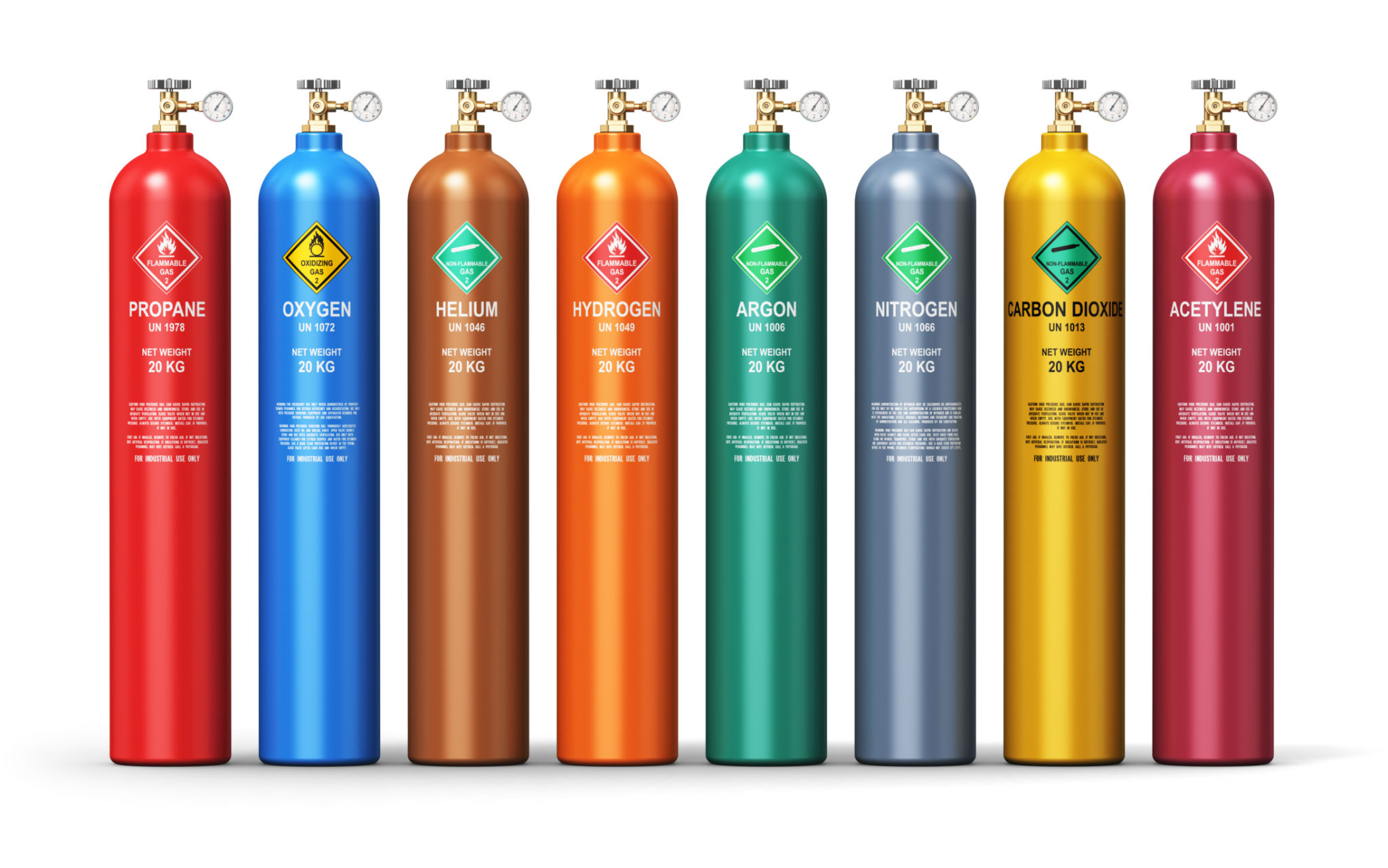
Myth 1: Acetylene is Extremely Dangerous
While acetylene is indeed a flammable gas, labeling it as extremely dangerous without context is misleading. Like any industrial gas, acetylene requires proper handling and storage to ensure safety. When stored in appropriate cylinders and used with the correct equipment, acetylene is no more dangerous than other gases used in similar applications. It's crucial to follow safety guidelines and use protective gear to mitigate risks.
Myth 2: Acetylene Can Easily Explode
A common misconception is that acetylene is prone to explode spontaneously. In reality, acetylene does not explode without an external ignition source. It becomes hazardous only when mixed with air in certain proportions and exposed to a spark or flame. By maintaining proper storage conditions and ensuring ventilation, the risk of accidental ignition can be minimized.

Storage and Handling of Acetylene
Understanding the correct storage and handling practices is essential for safe acetylene use. Here are some key points to consider:
- Store acetylene cylinders upright and in a well-ventilated area.
- Avoid storing acetylene near heat sources or flammable materials.
- Regularly inspect equipment and connections for leaks or damage.
Myth 3: Acetylene is Outdated
Some believe that acetylene is an outdated technology, replaced by newer methods. However, acetylene remains a critical component in various industries due to its high flame temperature and efficiency in cutting and welding. It continues to be the preferred choice for many professionals who rely on its unique properties for precision work.
Environmental Impact
Another common misconception is that acetylene has a significant negative environmental impact. In reality, when used correctly, acetylene combustion primarily produces carbon dioxide and water vapor, which are comparatively benign. Moreover, advancements in technology have led to more efficient equipment, reducing emissions and improving overall environmental performance.
Myth 4: Acetylene is Difficult to Obtain
Contrary to the belief that acetylene is hard to access, it is actually widely available through numerous suppliers. The infrastructure for producing and distributing acetylene is well-established, making it readily accessible for industries that depend on it. This availability ensures that businesses can rely on acetylene for their operations without facing supply issues.
Conclusion
By debunking these myths, it becomes clear that acetylene is a safe, efficient, and reliable resource when used properly. Understanding the facts about acetylene helps industries continue to utilize its benefits while maintaining safety and environmental standards. Proper education and adherence to guidelines ensure that acetylene remains a valuable tool in various applications.