
How to Safely Handle Nitrogen Cylinders: Best Practices


Understanding Nitrogen Cylinders
Nitrogen cylinders are commonly used in various industries, from food packaging to pharmaceuticals. These high-pressure containers require careful handling to ensure safety and efficiency. Understanding the properties and potential hazards associated with nitrogen is the first step in handling these cylinders safely.
Nitrogen is an inert, colorless, and odorless gas, which means it's non-flammable and doesn't support combustion. However, it can displace oxygen in confined spaces, leading to asphyxiation risks. Proper training and awareness are essential for anyone who handles or works around nitrogen cylinders.

Proper Storage Practices
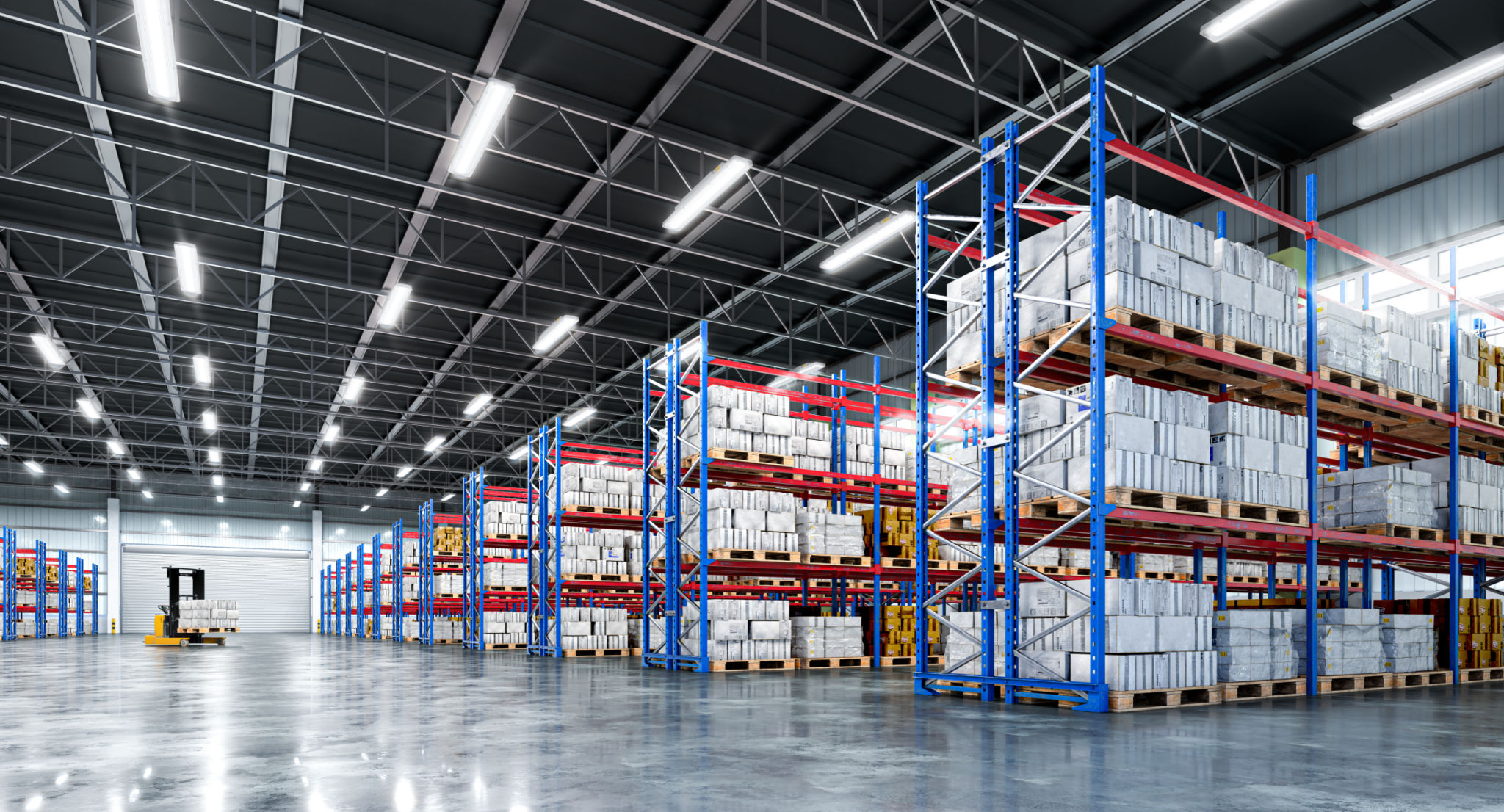
Storing nitrogen cylinders correctly is crucial to maintaining safety. Cylinders should be stored upright and secured with chains or straps to prevent them from falling over. It is essential to keep them in a well-ventilated area, away from heat sources and combustible materials.
Ensure that storage areas are clearly labeled and restricted to authorized personnel only. Regularly inspect storage areas for leaks or damage to the cylinders. Maintaining a clean and organized storage space can prevent accidents and improve overall safety.
Temperature Considerations
Temperature control is another vital aspect of storing nitrogen cylinders. High temperatures can increase the pressure inside the cylinder, potentially leading to hazardous situations. Keep cylinders away from direct sunlight and extreme heat to avoid pressure build-up.
Safe Handling Techniques
When moving nitrogen cylinders, always use appropriate equipment such as cylinder carts or trolleys. Never roll or drag a cylinder, as this can cause damage or lead to accidents. Ensure that the valve protection caps are securely in place during transportation.
When connecting or disconnecting cylinders, ensure that all connections are tight and leak-free. Use the proper tools and avoid using excessive force, which can damage the cylinder or its components.
Personal Protective Equipment (PPE)
Wearing the right PPE is crucial when handling nitrogen cylinders. This includes safety glasses, gloves, and steel-toed boots to protect against potential hazards. In environments where nitrogen concentrations might increase, use oxygen monitors and ensure proper ventilation.
Emergency Procedures
In case of an emergency, such as a leak, it's essential to have a clear evacuation plan. Ensure all personnel are trained on what to do and whom to contact. Quick and efficient action can prevent injuries and minimize risks.
Regular safety drills and training sessions can help reinforce the correct procedures and ensure everyone is prepared in case of an incident. Always report any safety concerns or incidents immediately.

Conclusion
Handling nitrogen cylinders safely requires a combination of proper training, awareness, and adherence to best practices. By understanding the properties of nitrogen and following these guidelines, you can significantly reduce risks and maintain a safe working environment.
Remember, safety is a continuous process. Regularly review and update safety protocols to keep up with changes in regulations and technology. Your commitment to safety protects not only yourself but also your colleagues and the surrounding environment.