
How to Safely Handle and Transport Industrial Gases


Handling and transporting industrial gases require a firm understanding of safety protocols to prevent accidents and ensure the well-being of all involved. Industrial gases, which include oxygen, nitrogen, and acetylene, are integral to numerous industries but can be hazardous if mishandled.
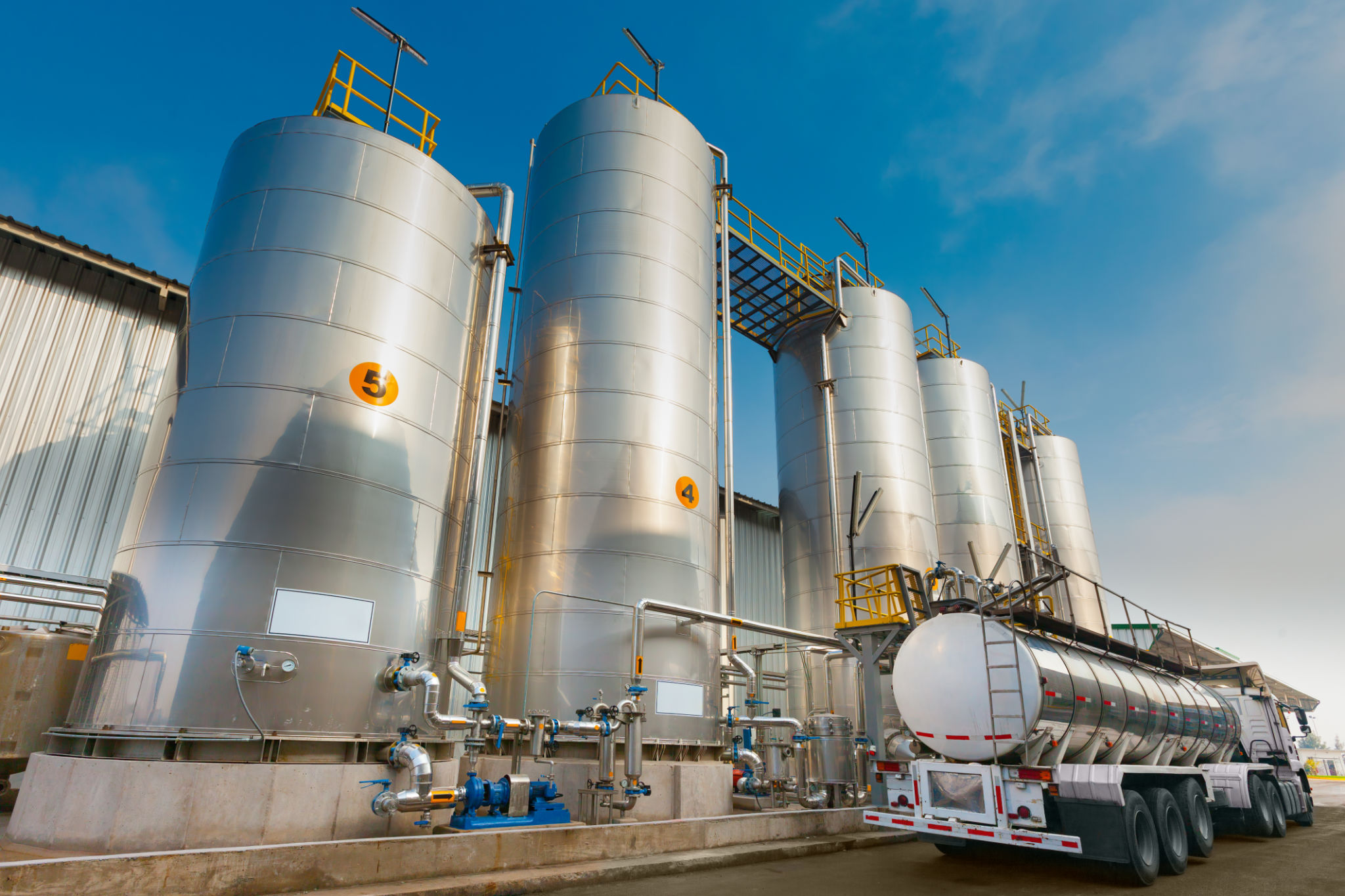
Understanding the Properties of Industrial Gases
Before handling any industrial gas, it is crucial to understand its properties. Gases can be flammable, toxic, corrosive, or inert. Each type of gas has specific storage and handling requirements. Knowing these properties helps in creating a safe environment for handling and transporting these gases.
Flammable Gases
Flammable gases like acetylene and hydrogen can ignite easily. It is vital to keep them away from open flames and sparks. Ensuring proper ventilation is also important to prevent the buildup of flammable concentrations.

Proper Storage Techniques
Industrial gases must be stored in appropriate cylinders or tanks that are designed for that specific gas. Cylinders should be stored upright and secured to prevent them from falling. Storage areas should be well-ventilated and away from sources of heat and ignition.
Labeling and Segregation
Always ensure that gas cylinders are properly labeled with their contents and hazard classification. Segregate incompatible gases to prevent chemical reactions. For example, store oxidizers away from flammable gases.

Safe Transport Practices
Transporting industrial gases requires careful planning and execution. Cylinders should be secured during transport to prevent movement. Use appropriate vehicles designed for gas transport and ensure they are well-ventilated.
Personal Protective Equipment (PPE)
When handling and transporting gases, wearing the right PPE is crucial. This includes gloves, safety glasses, and protective clothing. PPE helps protect against leaks, spills, and accidental exposure.

Emergency Procedures
Despite all precautions, emergencies can still occur. It is important to have a clear emergency response plan in place. This plan should include steps for dealing with gas leaks, fires, and exposure to toxic gases.
Training and Drills
Regular training and emergency drills ensure that all personnel are prepared to handle potential incidents. Drills should cover the use of fire extinguishers, evacuation routes, and first aid procedures.
By following these guidelines, industries can safely handle and transport industrial gases, minimizing risks and ensuring a safe working environment. Always prioritize safety and stay informed about the latest regulations and best practices.