
Exploring the Benefits of Argon Gas in Welding Processes


Introduction to Argon Gas in Welding
Welding is a fundamental process in the manufacturing and construction industries. Among the various gases used in welding, argon gas stands out due to its unique properties and benefits. This noble gas plays a crucial role in enhancing the quality and efficiency of welding processes.
Why Use Argon in Welding?
Argon is preferred in welding for its inert nature. This means it does not react with the metal being welded, preventing contamination and oxidation. As a result, welds are cleaner, stronger, and more aesthetically pleasing. Argon is particularly beneficial in processes like TIG (Tungsten Inert Gas) and MIG (Metal Inert Gas) welding.

Benefits of Argon Gas
One of the primary advantages of using argon gas is its ability to produce a stable arc. This stability is essential for precision work, allowing welders to create detailed and intricate welds. Additionally, argon helps in reducing spatter, which minimizes cleanup time and improves the overall quality of the weld.
Argon also enhances the penetration of the weld. This means the weld can fuse deeper into the metal, resulting in a more robust and reliable joint. This is particularly important in industries where the integrity of the weld is critical, such as in aerospace and automotive manufacturing.

Applications of Argon in Welding
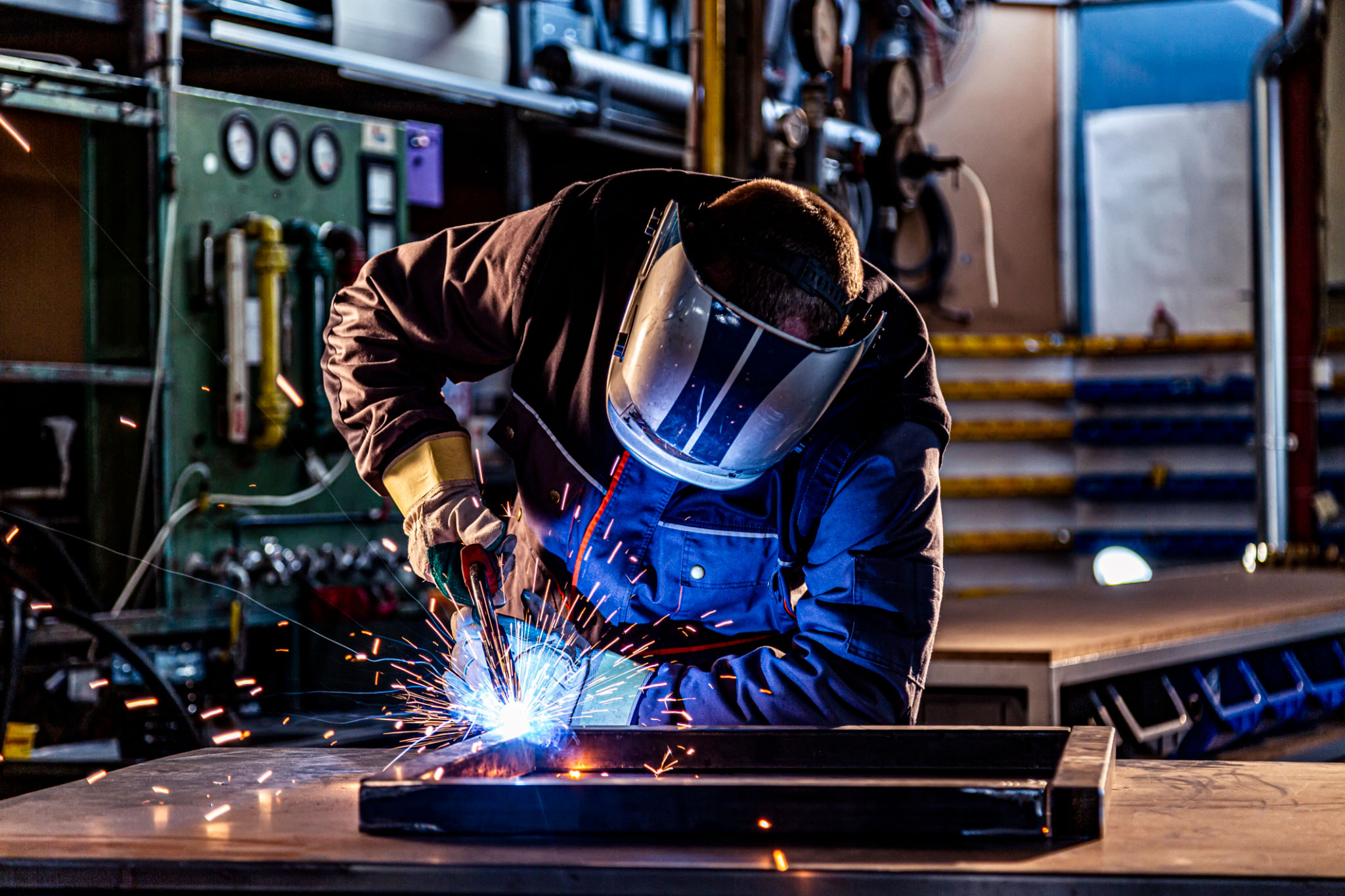
Argon is widely used in welding various metals, including aluminum, stainless steel, and titanium. Its versatility makes it a preferred choice for many industrial applications. For example, in TIG welding, argon is used to shield the tungsten electrode and the weld pool, ensuring a clean and precise weld.
In MIG welding, argon is often mixed with other gases such as carbon dioxide or oxygen to achieve different arc characteristics and penetration levels. This flexibility allows welders to tailor the gas mixture to the specific requirements of the job.
Cost Considerations
While argon is more expensive than some other shielding gases, its benefits often outweigh the costs. The improved quality and reduced defects in the weld can lead to significant savings in terms of rework and material wastage. Furthermore, the efficiency gained in the welding process can increase productivity and reduce labor costs.
Conclusion
In conclusion, argon gas plays a vital role in modern welding processes. Its unique properties provide several advantages, from improved weld quality to enhanced efficiency. As industries continue to demand higher precision and quality, the use of argon in welding is likely to grow, cementing its place as an indispensable tool in the welder's arsenal.