
Expert Insights: The Role of Argon in Welding Processes


Understanding Argon's Role in Welding
Argon is a crucial component in the welding industry, often used as a shielding gas to protect welds from atmospheric contamination. Its presence ensures the quality and durability of the weld by preventing oxidation and other unwanted reactions. Understanding how argon functions and its benefits can help welders optimize their processes for better results.

Why Argon is Preferred in Welding
Argon's inert properties make it an ideal choice for welding applications. Unlike reactive gases, argon does not chemically interact with the materials being welded. This stability helps maintain the integrity of the weld and reduces the risk of defects.
Moreover, argon is heavier than air, providing an effective shield around the weld area. This is particularly beneficial in environments where controlling atmospheric exposure is challenging. The consistent coverage it offers ensures that the weld quality remains high, even under difficult conditions.
Benefits of Using Argon in Various Welding Techniques
Argon is versatile and can be used in different welding techniques such as Gas Tungsten Arc Welding (GTAW) and Gas Metal Arc Welding (GMAW). Each method benefits uniquely from argon's properties, enhancing overall performance.
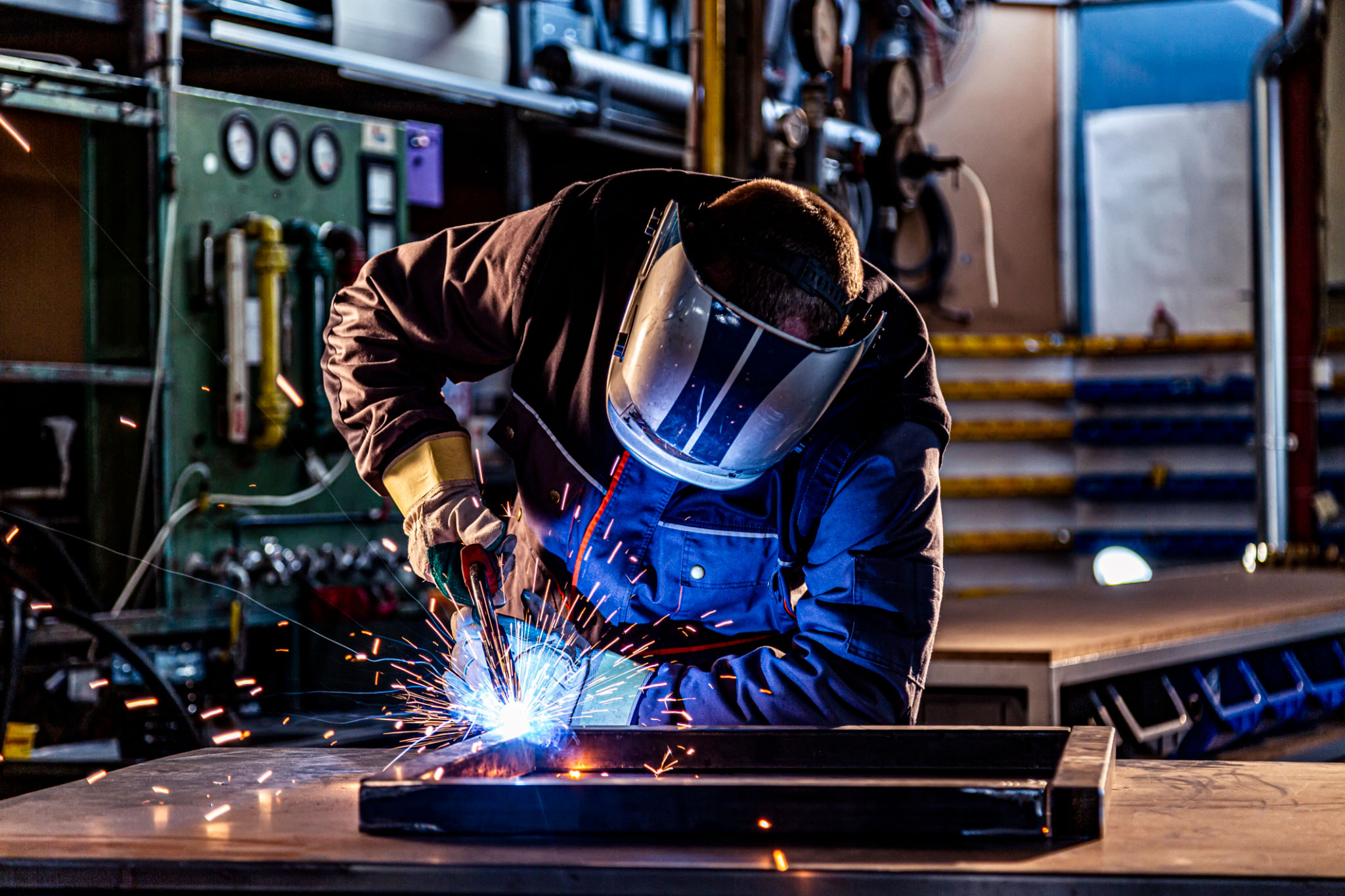
Gas Tungsten Arc Welding (GTAW)
In GTAW, also known as TIG welding, argon provides excellent arc stability and precision, making it ideal for welding thin materials. The inert nature of argon prevents contamination, ensuring a clean and strong weld. Additionally, its ability to produce a narrow arc allows for greater control, which is crucial for detailed work.
Gas Metal Arc Welding (GMAW)
For GMAW, or MIG welding, argon is often mixed with other gases like carbon dioxide to achieve optimal results. This combination improves penetration and bead appearance, making it suitable for thicker materials. The mixture's versatility allows welders to adjust parameters to fit specific project needs.

Cost-Effectiveness and Accessibility
Argon is not only effective but also relatively affordable and accessible, making it a popular choice in various industries. Its availability ensures that businesses can maintain consistent welding quality without incurring excessive costs.
The cost-effectiveness of argon, combined with its superior performance, makes it a wise investment for both small-scale operations and large manufacturing facilities. This accessibility allows for widespread adoption, contributing to advancements in welding technology and techniques.
Conclusion
In conclusion, argon's role in welding processes is indispensable. Its protective qualities and versatility enhance the quality and durability of welds across various techniques. By understanding and utilizing argon effectively, welders can achieve superior results, ensuring the longevity and integrity of their work.